Dental Care for Dogs: The Most Overlooked Health Habit
Most dogs have gum disease by middle age, and it causes real pain. Here's how to prevent it at home and when to see the vet.
This guide contains affiliate links. If you buy through them we may earn a small commission at no cost to you. Details.
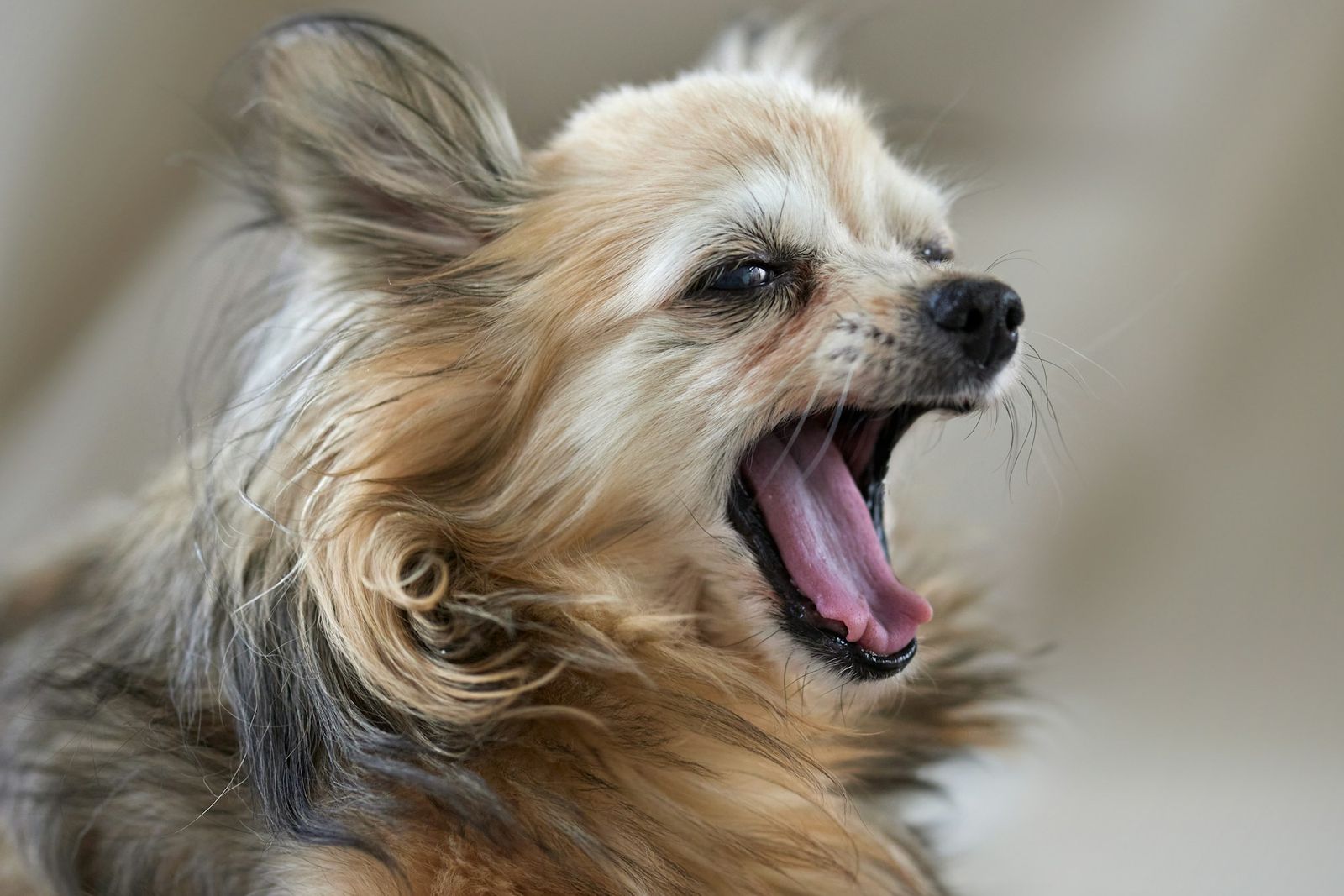
Dental disease is one of the most common health problems in dogs. According to the American Veterinary Medical Association, most dogs show some sign of periodontal disease by age 3. Small and toy breeds are hit hardest because their teeth are crowded.
Gum disease isn't only bad breath. It's chronic infection and inflammation in the mouth that causes pain and tooth loss, and it's linked to problems elsewhere in the body.
Signs of dental disease
- Bad breath
- Yellow or brown buildup (tartar) on teeth, especially the back teeth
- Red or bleeding gums
- Chewing on one side, dropping food or reluctance to chew toys
- Pawing at the mouth or facial swelling
Dogs hide mouth pain well. Many owners only notice how much their dog was hurting after a cleaning, when the dog suddenly plays and eats with new energy.
Brushing: the gold standard
Daily brushing is the most effective thing you can do at home. Even a few times a week helps.
- Use a dog toothpaste. Human toothpaste can contain xylitol and isn't meant to be swallowed. Dog toothpaste
- Start by letting your dog lick the paste from your finger.
- Then rub a finger along the outer surfaces of the teeth.
- Move to a soft dog toothbrush or finger brush. Focus on the outer surfaces of the back teeth and canines. Dog toothbrushes
- Keep sessions short and positive, with a reward at the end.
Other helpers
Look for the VOHC seal (Veterinary Oral Health Council). It means a chew, diet, rinse or water additive was shown to reduce plaque or tartar. VOHC dental chews
Avoid very hard chews like antlers, bones, hooves and hard nylon. They're a common cause of broken teeth. If you can't press a fingernail into it, it's too hard.
Professional cleanings
Your vet will check your dog's mouth at every visit and recommend a cleaning under anesthesia when needed. Anesthesia lets the vet clean below the gumline, where disease does its damage, and take dental X-rays to find problems hidden under the gums.
"Anesthesia-free" cleanings only scrape the visible tartar. They make teeth look better but leave the disease below the gumline untouched.
This guide is general information, not veterinary advice. If your dog is sick, hurt or acting unusually, call your veterinarian.