Dog Bowls and Fountains: Keeping Water Clean
The slimy film in your dog's bowl is a layer of bacteria. Here's which bowls are easiest to keep clean and how often to wash them.
This guide contains affiliate links. If you buy through them we may earn a small commission at no cost to you. Details.
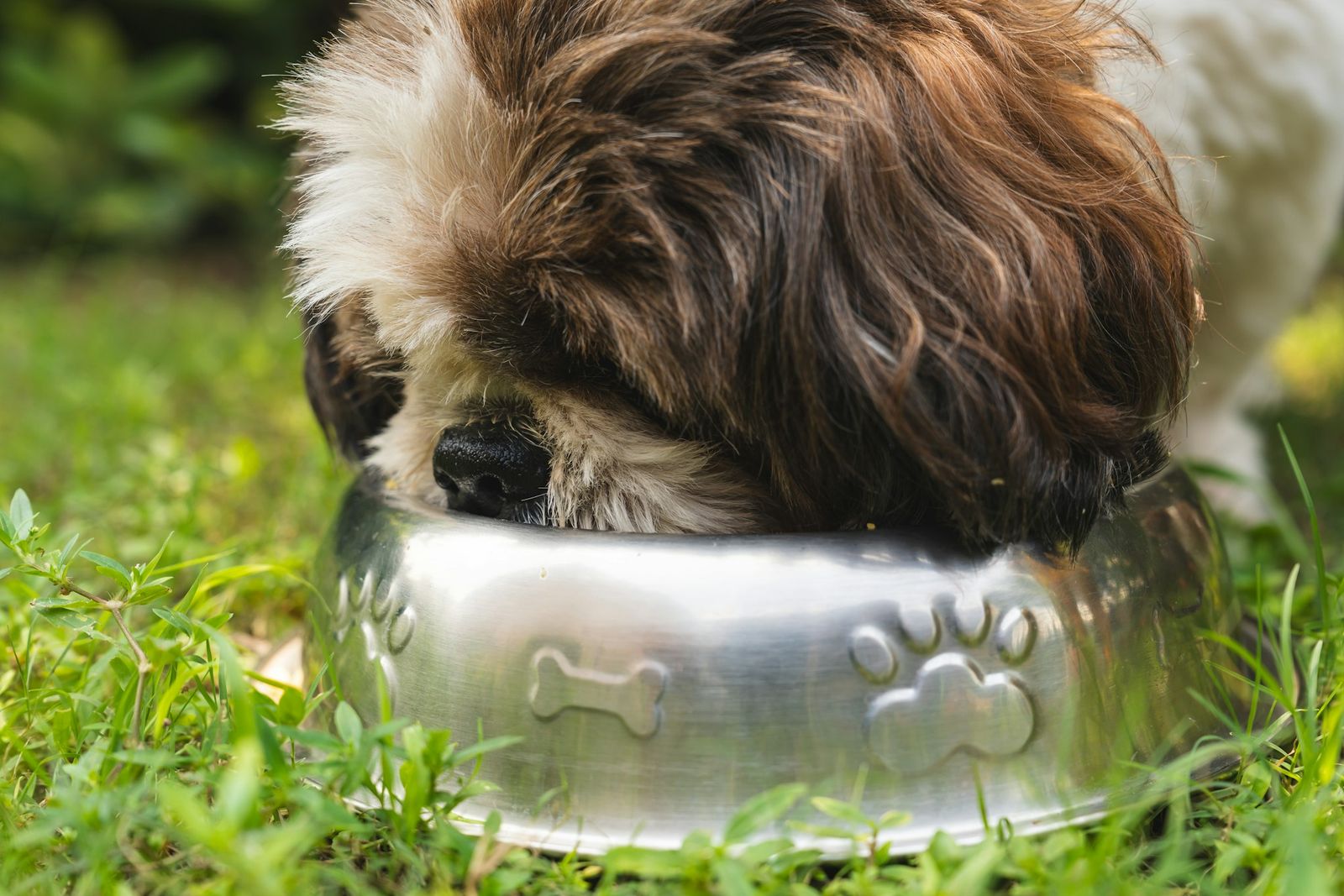
Run your finger around the inside of your dog's water bowl. If it feels slippery, that's biofilm: a layer of bacteria and the slime they produce. It forms within a day or two, even in fresh water. Household germ studies regularly rank pet bowls among the dirtiest items in the kitchen.
Choose a bowl that's easy to clean
- Stainless steel: the best choice for most dogs. It doesn't scratch easily, doesn't hold odors and is dishwasher-safe. Options
- Ceramic: fine if it has a lead-free, food-safe glaze. Replace it when it chips or cracks.
- Plastic: cheap, but it scratches, and scratches hold bacteria. Some dogs develop chin irritation or acne from plastic bowls.
How often to wash
- Water bowl: wash with hot, soapy water daily or every other day, and refill with fresh water at least once a day.
- Food bowl: after every meal, especially with wet, raw or fresh food.
- Once a week: put bowls through the dishwasher or soak in a dilute bleach solution (about 1 tablespoon of bleach per gallon of water) for a few minutes, then rinse very well.
Use a sponge or brush just for pet dishes.
Water fountains
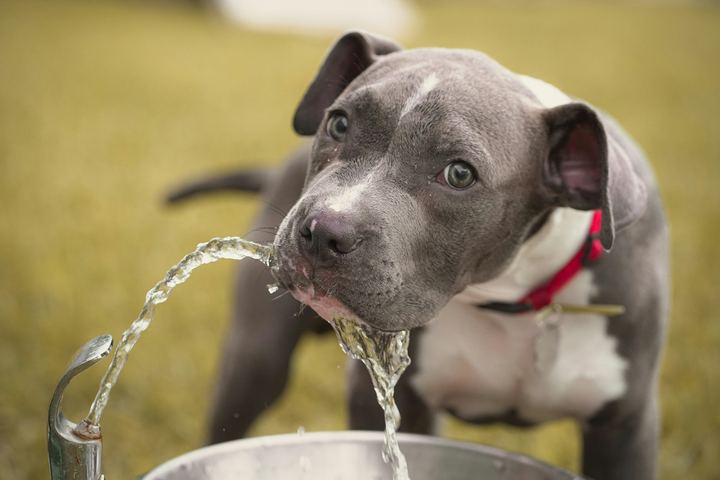
Fountains encourage some dogs to drink more, which can help dogs prone to bladder stones or kidney issues. But they need more cleaning, not less.
- Take it apart and clean it weekly, including the pump.
- Replace filters on the manufacturer's schedule.
- Choose stainless steel or ceramic fountains over plastic. Options
Travel and outdoor water
Bring your own water and a collapsible bowl on walks and road trips instead of letting your dog drink from puddles, ponds or shared bowls at parks. Travel bowls
This guide is general information, not veterinary advice. If your dog is sick, hurt or acting unusually, call your veterinarian.