How Much Water Does a Dog Need?
The simple rule of thumb, signs of dehydration, when drinking more is a warning sign, and the outdoor water to avoid.
The rule of thumb
Most healthy dogs drink about 1 ounce of water per pound of body weight per day (roughly 60 ml per kg). A 50-pound dog drinks about 50 ounces, a little over 6 cups.
Your dog may drink more if it's hot, after exercise, while nursing, or if it eats dry kibble rather than wet or fresh food. Puppies and active dogs need more.
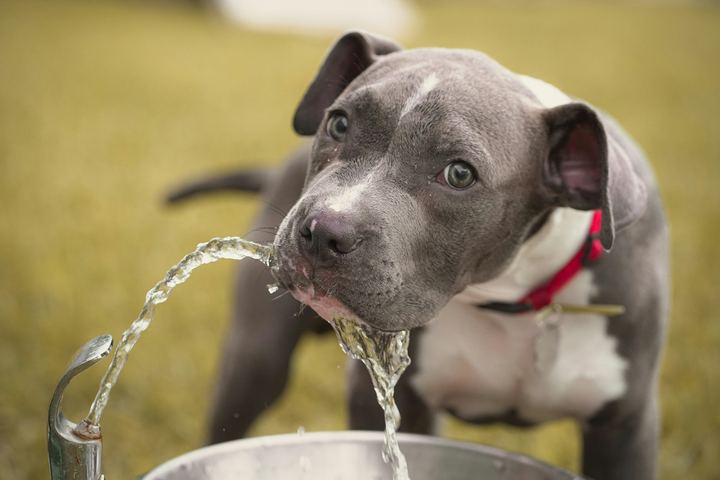
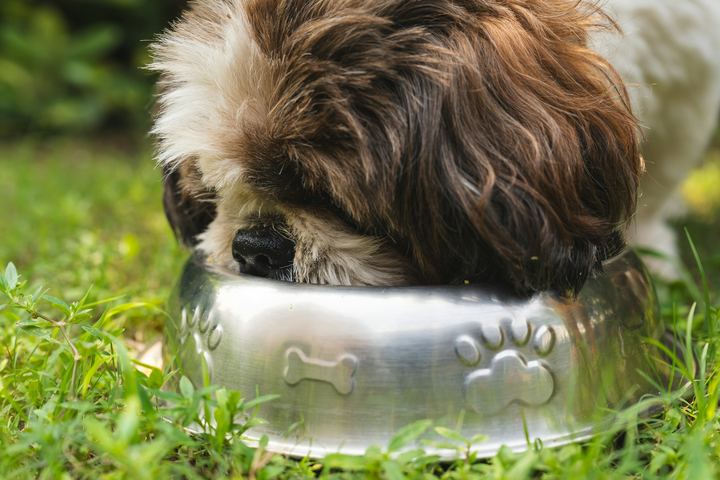
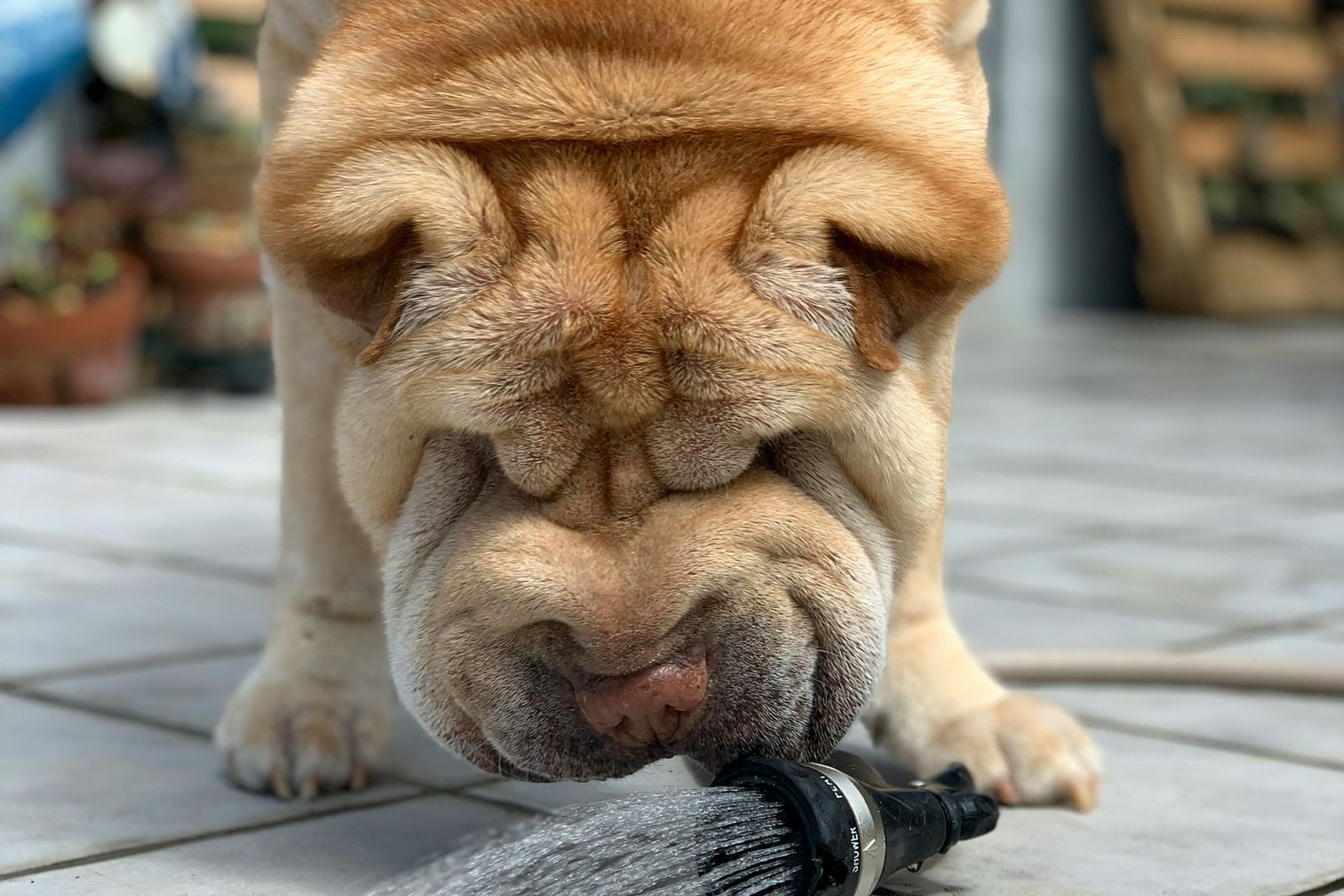
Just keep fresh water available all the time. Healthy dogs are good at drinking what they need.
Signs of dehydration
- Dry, sticky gums
- Sunken eyes
- Lethargy
- Skin that stays tented for a moment after a gentle pinch at the shoulders
Mild dehydration after a hot walk usually responds to rest, shade and water. If your dog is vomiting, has diarrhea, won't drink or seems weak, call your vet. Don't give sports drinks or electrolyte products without asking your vet first.
When drinking more is a warning sign
If your dog suddenly starts drinking a lot more than usual, and peeing more, mention it to your vet. Increased thirst can be an early sign of kidney disease, diabetes, Cushing's disease, liver disease or a uterine infection in unspayed females. These are much easier to manage when caught early.
To check, measure how much you put in the bowl over 24 hours and subtract what's left. More than about 100 ml per kg per day (roughly 1.5 ounces per pound) is worth a vet visit.
Outdoor water and algae
- Blue-green algae (cyanobacteria) can turn ponds and lakes green, blue-green or scummy, especially in warm, still water in late summer. Some blooms produce toxins that can kill a dog within hours. If the water looks like pea soup or spilled paint, or there's a posted advisory, keep your dog out, and rinse them off right away if they go in.
- Puddles can contain antifreeze, lawn chemicals and Leptospira, a bacteria spread through wildlife urine that can damage the kidneys and liver. Ask your vet whether the leptospirosis vaccine makes sense for your dog.
- Pools: a quick drink of chlorinated pool water rarely causes problems, but chlorine tablets and pool shock are corrosive. Store them locked away.
- Salt water: dogs who gulp seawater while playing can develop dangerous salt poisoning. Offer fresh water often at the beach.
This guide is general information, not veterinary advice. If your dog is sick, hurt or acting unusually, call your veterinarian.