Exercise for Senior Dogs: Keep Them Moving Safely
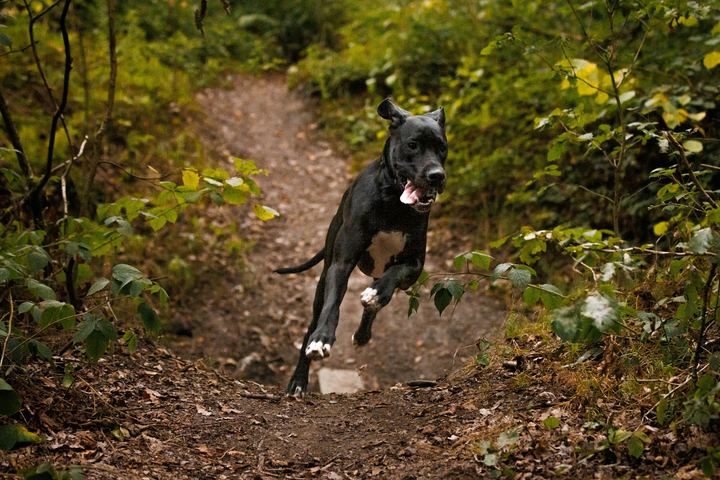
Older dogs still need daily movement. It just needs to be gentler, shorter and more frequent.
This guide contains affiliate links. If you buy through them we may earn a small commission at no cost to you. Details.
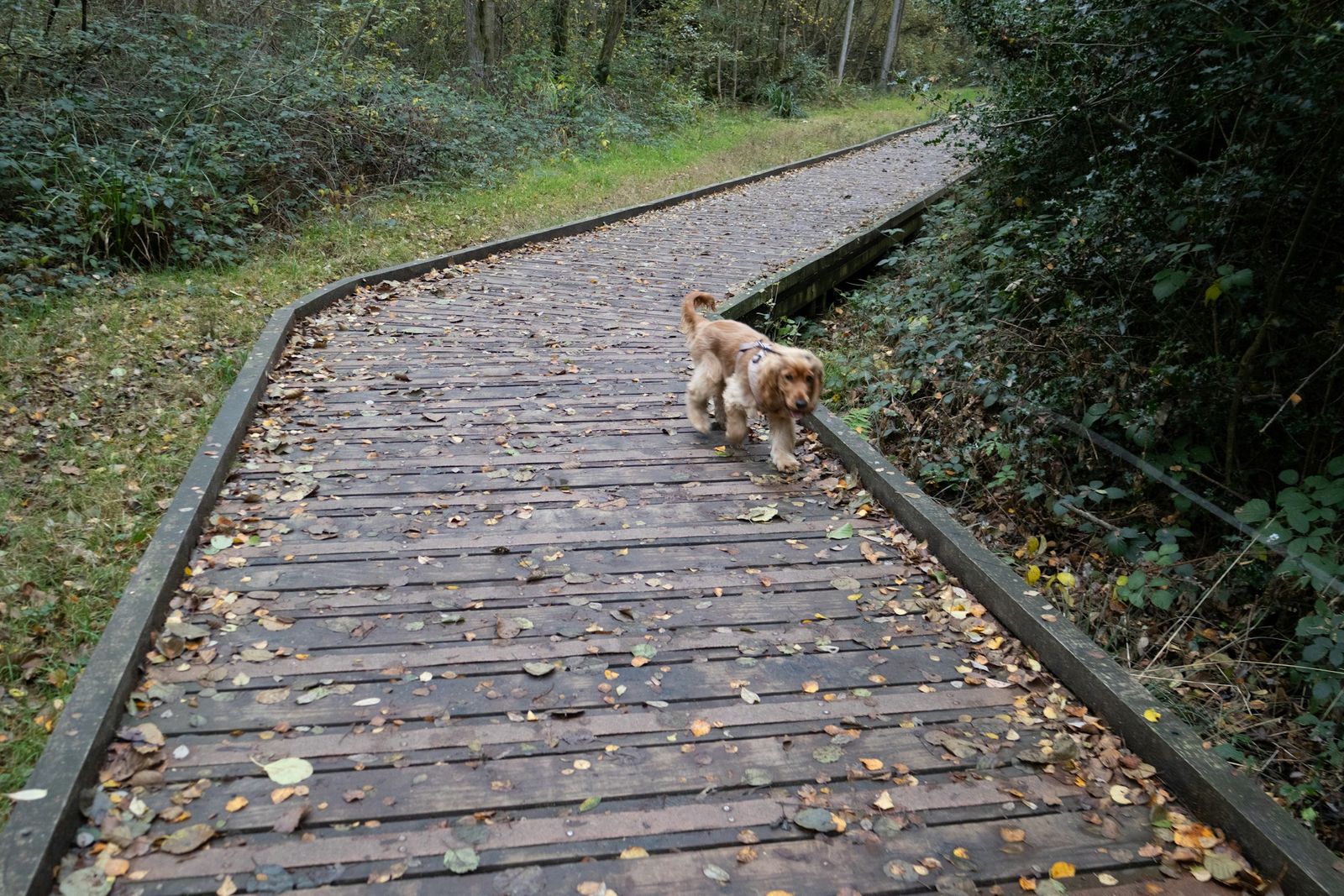
It's tempting to let an older dog rest all day. But regular, gentle movement keeps muscles strong, joints flexible, weight under control and minds sharp. Muscle loss is one of the biggest reasons older dogs start to struggle with stairs, slippery floors and getting up.
When is a dog "senior"?
Roughly the last quarter of their expected lifespan. For many small dogs that's around 10–12; for large and giant breeds it can start at 6–8. See your breed's lifespan.
How to adjust
- Shorter, more frequent walks. Two or three 15–20 minute walks are better than one long one.
- Steady over intense. Swap sprints and high jumps for walking, sniffing and gentle hills.
- Warm up. Start each walk slowly for the first few minutes.
- Swimming or underwater treadmill. Excellent for arthritic dogs because water takes the weight off their joints. Many vet rehab clinics offer it.
- Brain games count. Scent work, puzzle feeders and new tricks keep older dogs engaged on low-energy days.
Make home easier
- Rugs or runners on slippery floors
- Ramps or steps for cars, couches and beds Dog ramps
- A supportive orthopedic bed Orthopedic beds
- Toe grips or booties for dogs who slip Toe grips
Signs of pain to tell your vet about
Slowing down isn't always "just age." Arthritis pain is very common and very treatable. Watch for:
- Stiffness getting up, especially after rest
- Reluctance to use stairs or jump into the car
- Lagging on walks, or sitting down partway
- Licking one joint, limping or a change in posture
- Irritability when touched
Your vet has safe dog-specific pain medicines and therapies, including newer monthly arthritis injections. Never give human painkillers. Keeping your dog lean is one of the best things you can do for sore joints.
See also: health problems in senior dogs.
This guide is general information, not veterinary advice. If your dog is sick, hurt or acting unusually, call your veterinarian.