Lean Dogs Live Longer: What the Research Shows
The best evidence we have for adding years to a dog's life doesn't come from a supplement. It comes from keeping them lean.
This guide contains affiliate links. If you buy through them we may earn a small commission at no cost to you. Details.
If you do only one thing from this site, make it this one: keep your dog at a lean, healthy weight.
The study
In 1987, researchers at Purina began a study of 48 Labrador Retrievers from seven litters. Puppies were paired by sex and size. One dog in each pair ate 25% less than its partner. Both ate the same food. Only the amount was different. The study followed the dogs for their entire lives, about 14 years.
What they found:
- The lean-fed dogs lived a median of 1.8 years longer: 13 years compared to 11.2.
- They developed chronic diseases later. The lean dogs didn't need long-term treatment for a chronic condition until a median age of about 12, compared with about 10 for the heavier dogs.
- Arthritis was delayed and milder. Hip arthritis was much less common at every age in the lean group.
The heavier dogs weren't fed huge amounts. Many were just moderately overweight, the way plenty of pet dogs are today.
Why this matters
Surveys by the Association for Pet Obesity Prevention suggest more than half of dogs in the U.S. are overweight or obese. Extra weight is linked to arthritis, cruciate ligament tears, diabetes, breathing problems, heat intolerance and a shorter life.
Most owners don't realize their dog is heavy, because we're used to seeing overweight dogs. That's why it's worth learning to check your dog's body condition with your hands, not your eyes.
How to keep your dog lean
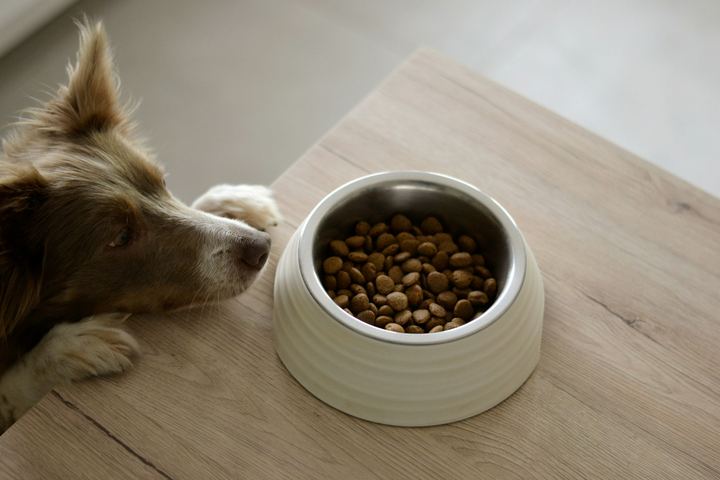
- Measure every meal with a measuring cup or, better, a kitchen scale. Scooping by eye is how most dogs gain weight. Kitchen scales
- Start with the label, then adjust. Feeding guides are a starting point. If your dog gains weight, cut back by about 10% and recheck in a month.
- Count treats. Treats should be no more than about 10% of daily calories. Small pieces of carrot, green beans or your dog's own kibble from the daily allowance work well.
- Weigh your dog monthly and write it down.
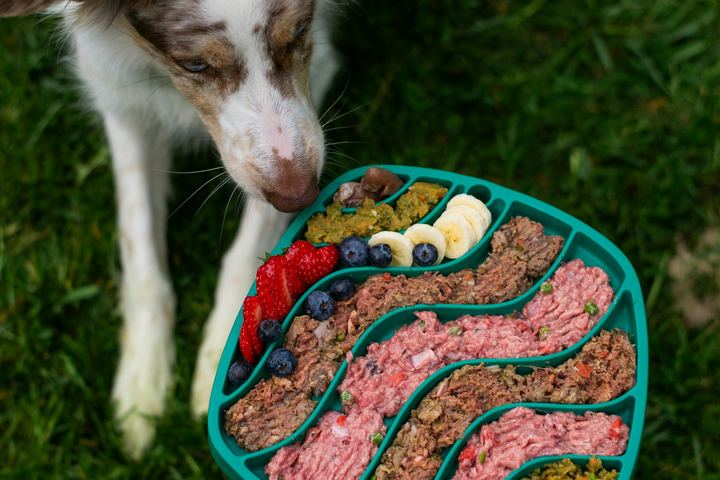
- Use food for enrichment. Puzzle feeders and snuffle mats slow eating and keep your dog busy. See toys that stimulate the mind.
- Ask your vet before a big diet change. If your dog needs to lose a lot of weight, a vet can calculate a safe target and rate.
Some breeds need extra help
Many Labradors carry a gene variant that makes them hungrier than other dogs, which is why "Labs always act starving" is a cliché. If your dog is always food-obsessed, that's a reason to measure carefully, not to feed more. See our breed lifespan guide.
This guide is general information, not veterinary advice. If your dog is sick, hurt or acting unusually, call your veterinarian.