Supplements for Dogs: What the Evidence Says
Fish oil, probiotics, glucosamine, milk thistle, turmeric and more. Which ones have real evidence, which don't, and how to buy safely.
This guide contains affiliate links. If you buy through them we may earn a small commission at no cost to you. Details.
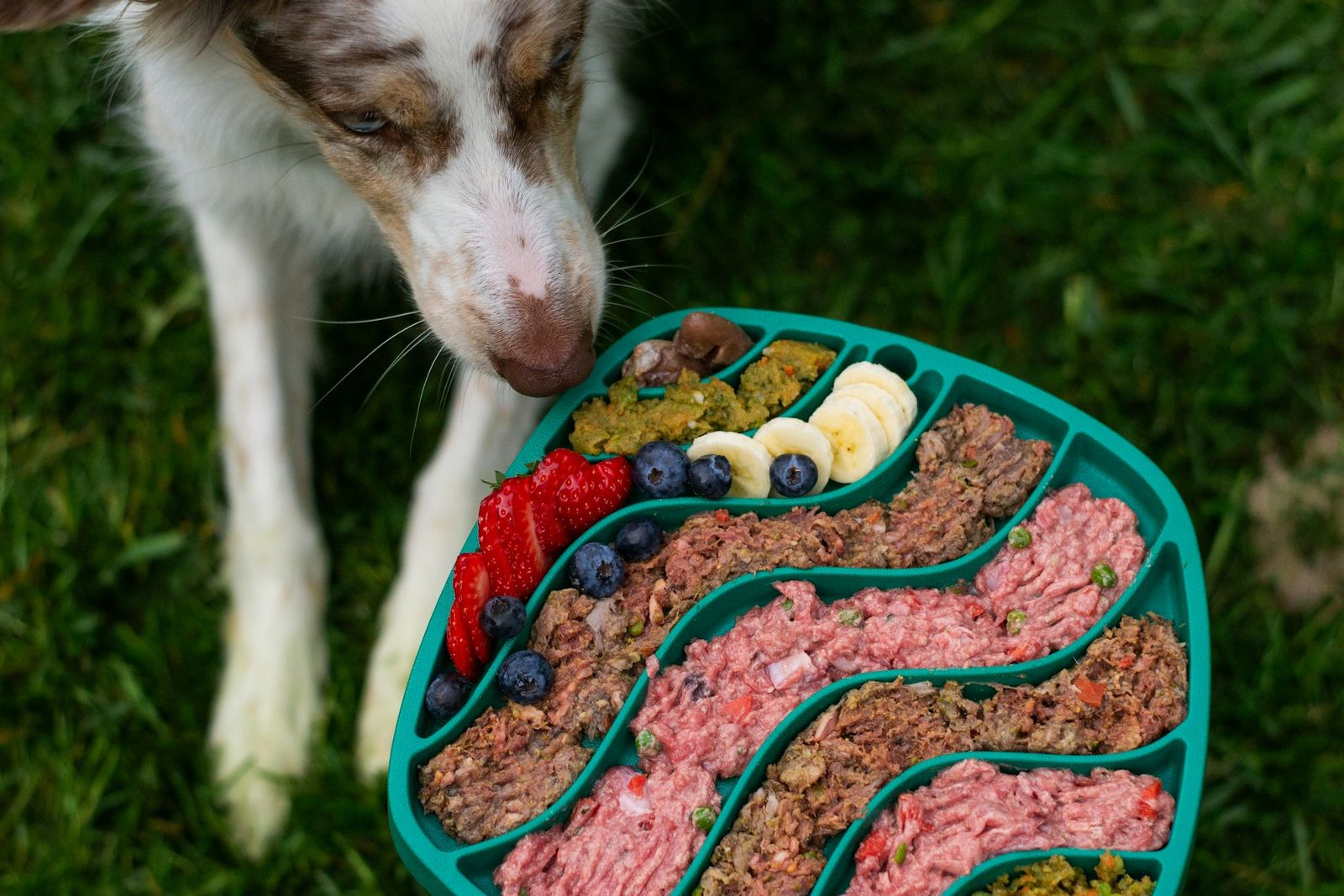
Dog supplements are a big business, and most of them are sold with more confidence than evidence. A dog eating a complete and balanced diet doesn't need a multivitamin. A few supplements do have reasonable support for specific problems.
Always tell your vet what you give your dog. Some supplements interact with medicines, and a few can harm dogs with certain conditions.
Reasonable evidence
- Omega-3 fatty acids (EPA and DHA from fish oil). The best-supported supplement for dogs. Evidence supports their use for osteoarthritis and some skin conditions, and they're used for kidney and heart disease. Your vet can recommend a dose. Too much can cause stomach upset or affect clotting. Fish oil for dogs
- Probiotics. Some strains help with diarrhea, including stress- or antibiotic-related diarrhea. Benefits depend on the specific strain, so choose a veterinary product. Veterinary probiotics
Mixed or limited evidence
- Glucosamine and chondroitin. Widely used for joints. Studies are mixed. Some dogs seem to benefit, many don't. Low risk for most dogs. Joint supplements
- Milk thistle (silymarin) and SAMe. Sometimes used by vets to support the liver. There's some research behind SAMe in particular, but neither replaces a diagnosis. If your dog may have liver disease, see your vet first.
- Turmeric (curcumin). Popular, but dogs absorb very little of it, and good studies are scarce.
- Coconut oil. Little evidence of benefit, plenty of calories, and it can trigger pancreatitis in some dogs.
Skip or avoid
- Garlic, even in "flea control" supplements. It can damage red blood cells.
- Human vitamins, especially vitamin D and iron, which are easy to overdose. Many human products also contain xylitol.
- CBD and hemp products, unless your vet recommends one. Quality varies widely and doses aren't well established.
- "Detox" blends with long ingredient lists of herbs. See the truth about detoxing.
- Essential oils given by mouth.
How to buy a supplement
- Look for the NASC Quality Seal (National Animal Supplement Council). It means the company passed a quality audit. It doesn't prove the product works.
- Choose products made for dogs, with a clear amount of each active ingredient.
- Skip anything that promises to cure or prevent disease.
- Store them like medicine. Flavored chews are a top cause of poison control calls because dogs eat the whole bag.
This guide is general information, not veterinary advice. If your dog is sick, hurt or acting unusually, call your veterinarian.