How Much Sleep Do Dogs Need?
More than you'd think. Why rest matters, how to help your dog sleep well, and when sleep changes are worth a vet visit.
This guide contains affiliate links. If you buy through them we may earn a small commission at no cost to you. Details.
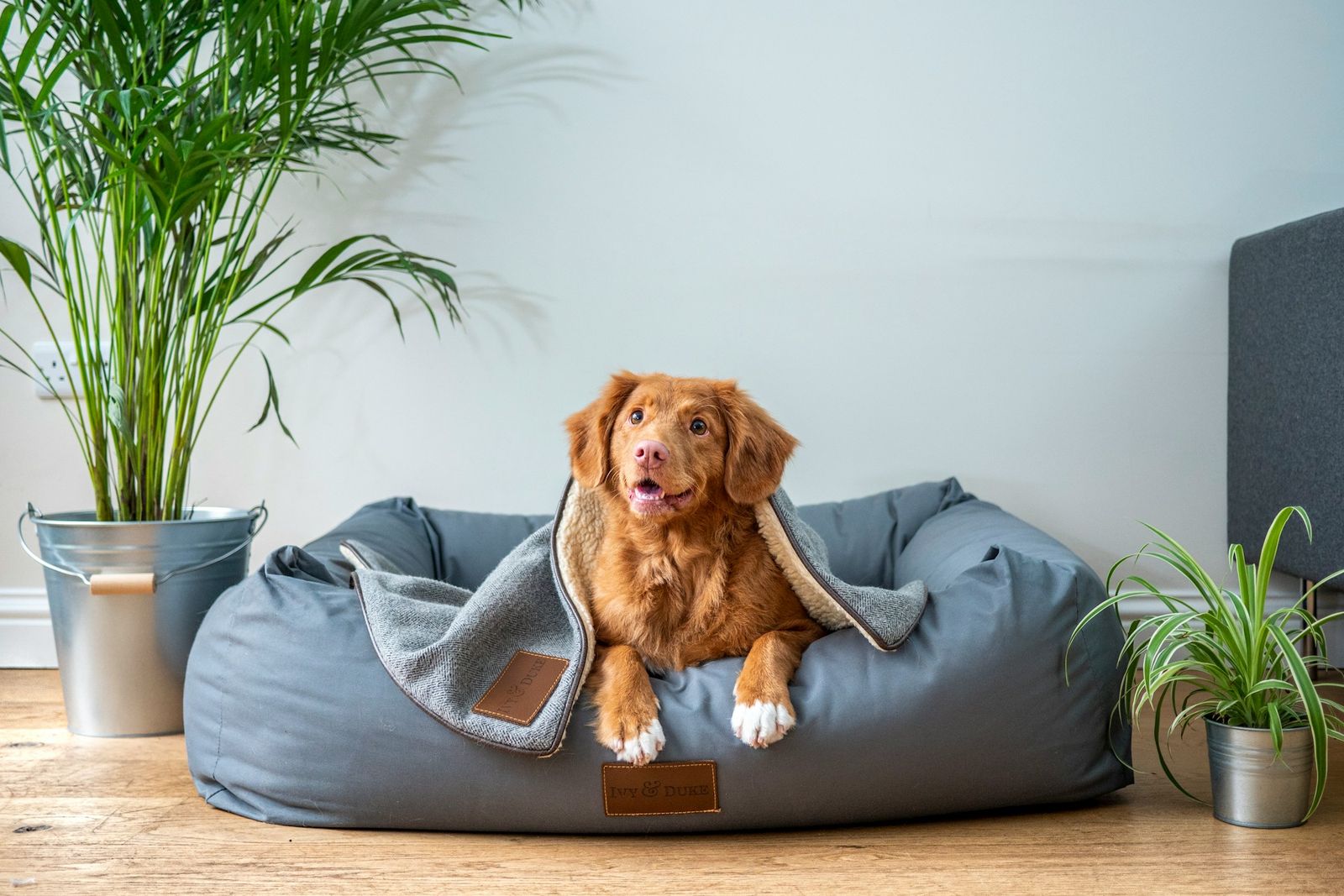
If your dog seems to sleep a lot, that's normal. Most adult dogs sleep 12 to 14 hours a day. Puppies and seniors often sleep 18 hours or more, and large breeds tend to sleep more than small ones.
Sleep is when the body repairs tissue, the brain consolidates what it has learned, and the immune system recharges. Dogs that don't get enough rest can be more irritable, reactive and harder to train.
Help your dog sleep well
- A quiet, comfortable spot away from foot traffic, where they won't be disturbed.
- A supportive bed. Large, older and arthritic dogs benefit from orthopedic foam. Get one big enough to stretch out on. Orthopedic beds
- A routine. Regular times for meals, walks and bedtime help dogs settle.
- Enough daytime exercise and enrichment. A dog that has done something interesting sleeps better.
- A crate, if your dog likes it. For many dogs, a covered crate is a den, not a cage.
- Wash the bedding every week or two in fragrance-free detergent. Beds collect hair, dander, dust mites and flea eggs.
Rest after big days
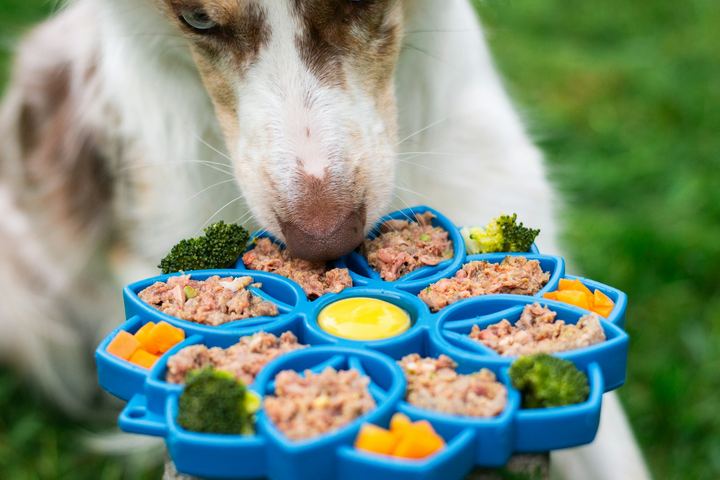
After a long hike, a busy weekend or a vet procedure, plan a quiet day. Puppies and anxious dogs in particular can get "overtired" and act out. A calm settle time with a chew or lick mat can help.
Sleep changes worth mentioning to your vet
- Sleeping much more than usual, or seeming tired all the time (can be a sign of pain, low thyroid function or other illness)
- Restlessness, pacing or waking at night, especially in senior dogs. This can be a sign of pain or of canine cognitive dysfunction, similar to dementia.
- Snoring and gasping in sleep, especially in flat-faced breeds, which can be a sign of airway disease
- Trouble getting comfortable or repeatedly changing position
Next: signs your dog is stressed.
This guide is general information, not veterinary advice. If your dog is sick, hurt or acting unusually, call your veterinarian.