Signs Your Dog Is Stressed, and How to Help
Dogs tell us they're uncomfortable long before they growl. Learn the early signals and how to lower everyday stress.

A happy dog is part of a long life. Constant stress affects sleep, appetite and behavior, and it's linked to stomach upsets and skin problems. The good news is that dogs show stress clearly once you know what to look for.
Early, quiet signals
- Lip licking or tongue flicking (when there's no food around)
- Yawning when they're not tired
- "Whale eye": showing the whites of the eyes
- Turning the head away or avoiding eye contact
- Ears pinned back, tail tucked low
- Sudden shaking off, like they're wet, when they're dry
- Lifting a front paw
Stronger signals
- Panting when it isn't hot and they haven't exercised
- Pacing or not being able to settle
- Hiding, freezing or trying to leave
- Drooling, shedding heavily or sweaty paw prints
- Growling, snapping or stiff body language
Never punish a growl. It's a warning. Punishing it teaches a dog to skip the warning, not to feel better.
Common causes
Loud noises (fireworks, storms, construction), being left alone, changes in routine, new people or pets, vet visits, rough handling, too little exercise or sleep, and pain. Pain is easy to miss: a dog who suddenly becomes grumpy or reactive should have a vet check.
Lowering everyday stress
- Predictable routines for meals, walks and sleep.
- A safe space your dog can retreat to and where nobody bothers them.
- Enough exercise and enrichment. See brain games.
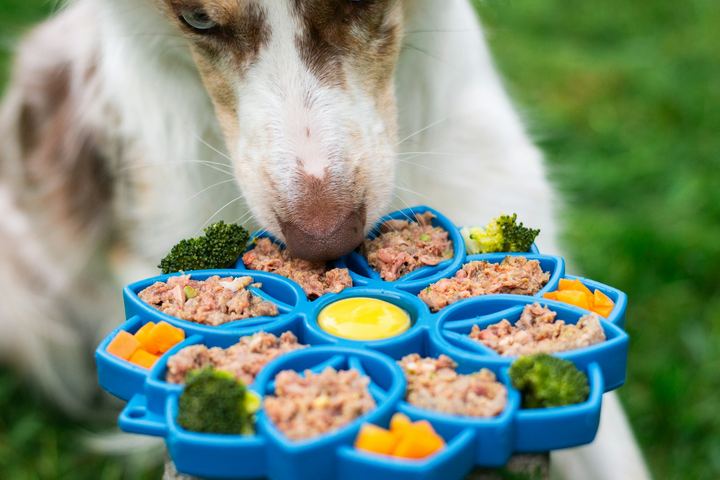
- Calming activities: sniffing, licking and chewing all help dogs settle.
- Let them opt out. Don't force your dog to greet people or other dogs.
- Plan for triggers. For fireworks or storms, close curtains, play background noise and stay home if you can.
When to get help
If stress is frequent or intense, like panic when left alone, noise phobia or aggression, talk to your vet. Anxiety is a medical issue, and there are effective treatments, including behavior plans and medication. Ask about a referral to a veterinary behaviorist or certified trainer who uses reward-based methods.
This guide is general information, not veterinary advice. If your dog is sick, hurt or acting unusually, call your veterinarian.