Pet-Safe Cleaning: What Actually Matters
You don't need special "pet" versions of everything. You need to use cleaners the right way, store them well and know which few to avoid around dogs.
This guide contains affiliate links. If you buy through them we may earn a small commission at no cost to you. Details.
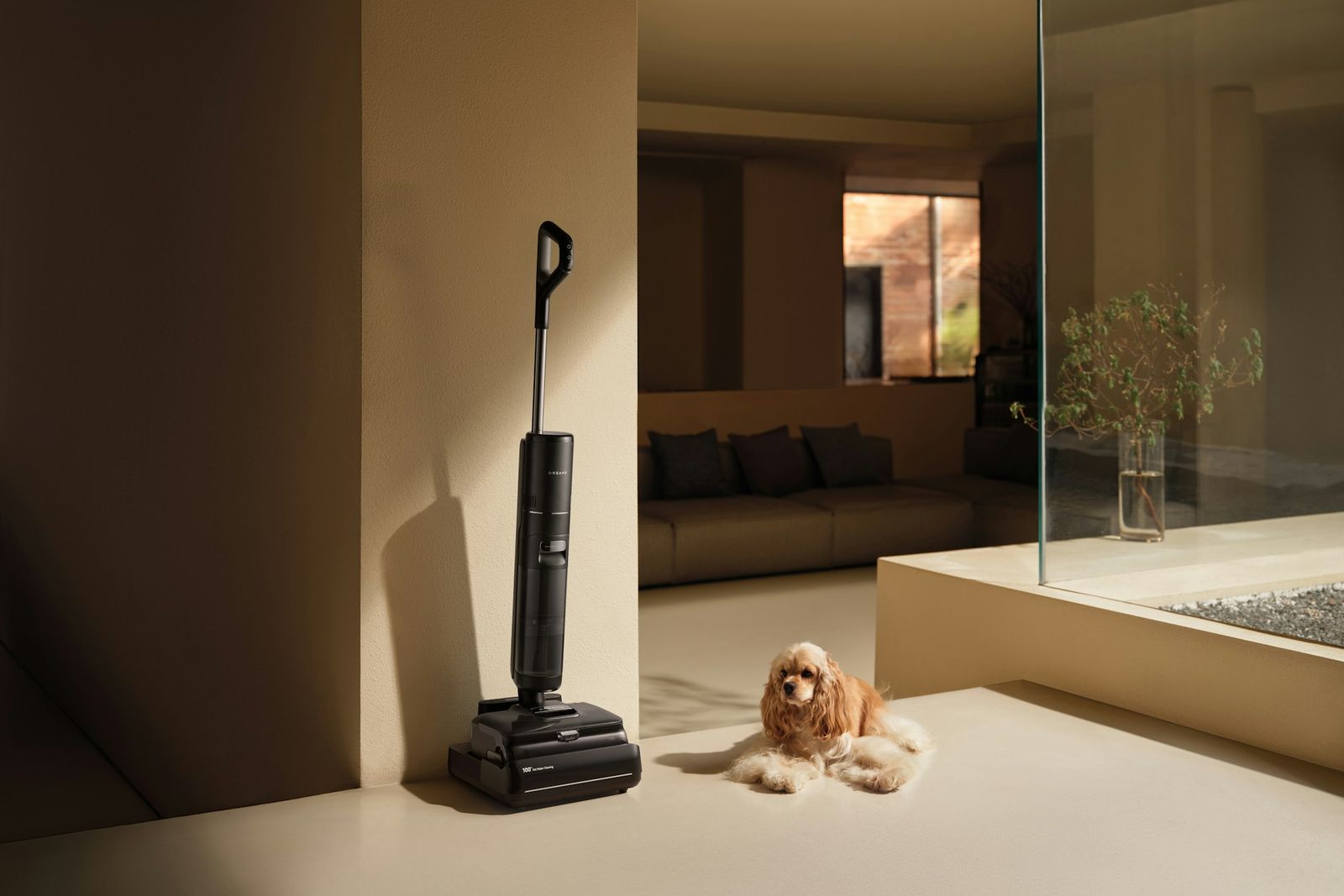
Dogs live at floor level. They lie on the rug, lick their paws and drink from the toilet if you let them. So it's reasonable to wonder what your cleaning products leave behind.
The reassuring answer: most ordinary household cleaners are safe for dogs once they've been used as directed and have dried. Most poisonings from cleaners happen when a dog chews the bottle, drinks from a bucket or walks through a wet, concentrated product.
The rules that prevent most problems
- Dilute as the label says. Stronger is not cleaner. It just leaves more residue.
- Keep dogs out until floors are dry, then rinse or wipe areas where your dog eats and sleeps.
- Never leave a bucket out. Mop water is a common way dogs swallow cleaner.
- Never mix products. Bleach plus ammonia or acids makes toxic gas, which is dangerous for everyone.
- Store everything closed and up high, including dishwasher and laundry pods.
Products to use with extra care
- Bleach. Fine for disinfecting when diluted and rinsed. Undiluted bleach burns the mouth and paws.
- Toilet bowl tablets and cleaners. Keep the lid down.
- Drain and oven cleaners. These are corrosive. Use them when your dog is in another room and store them locked away.
- Phenol-based disinfectants (the ones that turn milky in water) are more of a concern for cats, but keep pets off surfaces until they're rinsed and dry.
- Essential oils. Tea tree, pine, wintergreen, eucalyptus and citrus oils can irritate or poison pets when concentrated. "Natural" doesn't mean safe.
- Air fresheners and plug-ins. Watch for coughing, sneezing or watery eyes, especially in dogs with airway problems.
Accidents on the carpet
Use an enzyme cleaner for urine, vomit and feces. Enzymes break down the odor compounds that make dogs mark the same spot again. Many ordinary cleaners just cover the smell for your nose, not your dog's. Find enzyme cleaners.
A simple low-residue kit
- An unscented, dye-free all-purpose cleaner for daily wipes. Options
- An enzyme cleaner for accidents
- Microfiber cloths and a steam mop for floors. Steam cleans with just water. Options
- Fragrance-free laundry detergent for dog beds and blankets
If your dog gets into a cleaner
Rinse their mouth or paws with plenty of water, don't make them vomit, and call your vet or a poison line with the bottle in hand: ASPCA (888) 426-4435 or Pet Poison Helpline (855) 764-7661.
This guide is general information, not veterinary advice. If your dog is sick, hurt or acting unusually, call your veterinarian.