The 15-Minute Home Toxin Audit for Dog Owners
A room-by-room checklist to find and fix the most common hazards before your dog does.
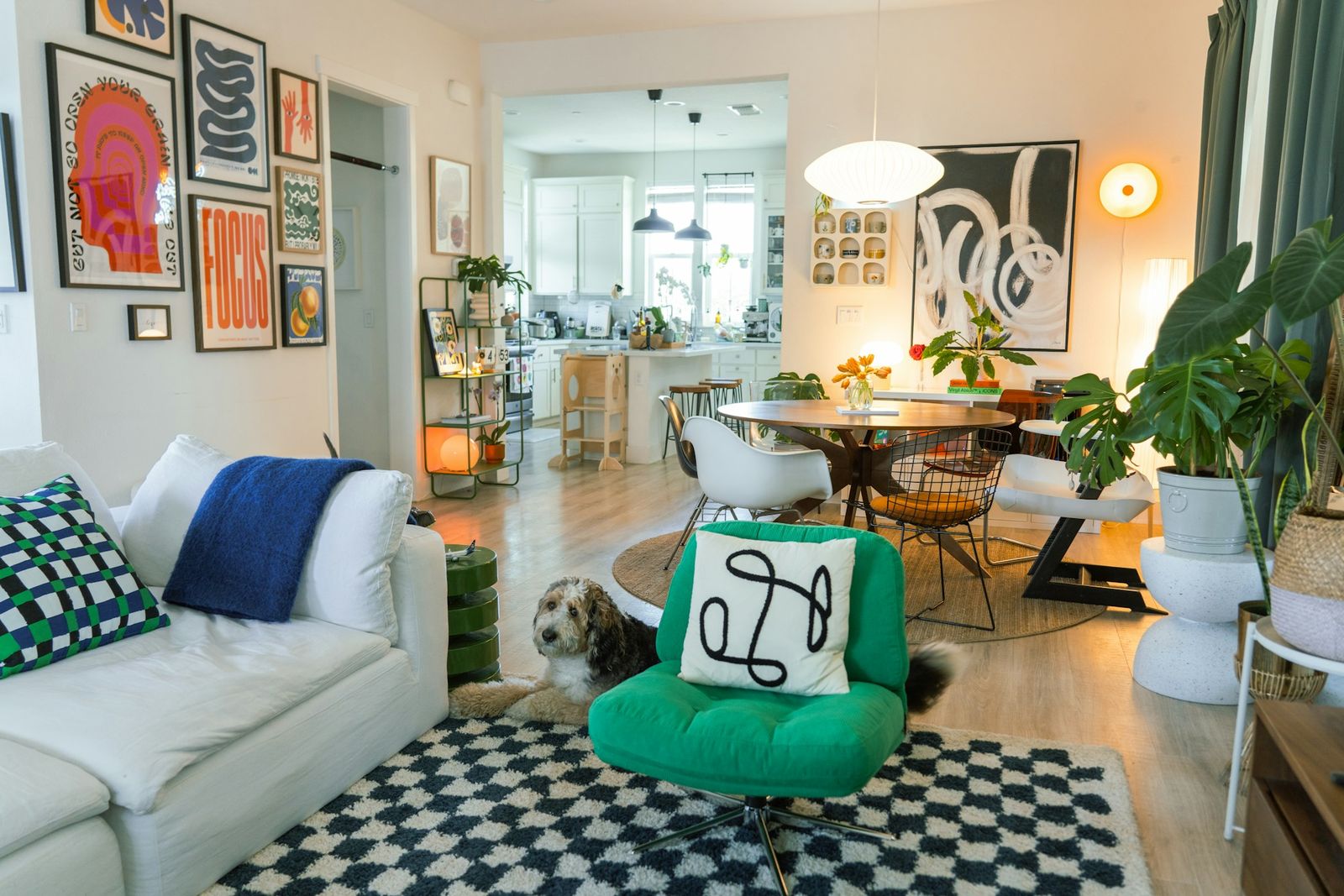
You don't need to replace everything in your house. Most risk comes from a short list of items left within reach. Grab your phone, get down at dog height and walk through each room. Fix what you can on the spot.
Kitchen
- [ ] Trash can has a locking or pedal lid, or lives behind a door.
- [ ] Grapes, raisins, onions, chocolate and nuts are stored up high or in a closed cabinet.
- [ ] You've checked your peanut butter, gum, mints and sugar-free products for xylitol (also called birch sugar).
- [ ] Dishwasher pods and drain cleaner are in a latched cabinet.
- [ ] Nothing edible is left on the counter edge for a tall dog to "counter surf."
Bathroom and bedroom
- [ ] All medicines, vitamins and supplements are in a closed cabinet, not on the nightstand or sink.
- [ ] Handbags and backpacks hang on hooks, not on the floor. They're the top source of gum and pill exposures.
- [ ] Toilet lids are down if you use bowl cleaners or tablets.
- [ ] Creams and ointments (especially vitamin D, pain and hormone creams) are put away. Dogs lick them off skin too.
Living areas
- [ ] Houseplants are checked against the ASPCA toxic plant list and moved out of reach if needed.
- [ ] Essential oil diffusers are off or in rooms your dog doesn't use. Tea tree, pine and wintergreen oils are risky for dogs.
- [ ] Batteries, coins and small magnets are out of reach.
- [ ] Ashtrays, vapes and nicotine pouches are put away.
Laundry, garage and basement
- [ ] Antifreeze, windshield fluid, paint and solvents are on high shelves with tight caps. Clean up any drips right away.
- [ ] Rodent bait is either gone or inside tamper-resistant stations your dog can't reach or move.
- [ ] Ice melt, fertilizer and pesticide bags are sealed and stored up high.
- [ ] Damp areas are dry. Visible mold is cleaned up and the moisture source fixed.
Yard
- [ ] You know what was sprayed on your lawn and when. Keep your dog off treated areas until dry, or longer if the label says so.
- [ ] No cocoa mulch, slug bait or open compost pile.
- [ ] Wild mushrooms are removed after rain.
- [ ] Standing water and algae-covered ponds are off-limits. See blue-green algae.
Save these numbers in your phone now
- Your vet and your nearest 24-hour emergency hospital
- ASPCA Animal Poison Control: (888) 426-4435
- Pet Poison Helpline: (855) 764-7661
(Both charge a consultation fee.)
Finished? Do this once a season
Hazards creep back. Repeat the audit when the seasons change: holiday food and decorations in winter, lawn products in spring, pool chemicals and barbecues in summer, rodent bait and antifreeze in fall.
Want to go further? Read the 10 most common dog poisons and pet-safe cleaning.
This guide is general information, not veterinary advice. If your dog is sick, hurt or acting unusually, call your veterinarian.