Lawn and Garden Hazards for Dogs
Fertilizers, weed killers, slug bait, mulch, mushrooms and pools. What's risky in the yard and how to keep your dog safe outside.
This guide contains affiliate links. If you buy through them we may earn a small commission at no cost to you. Details.
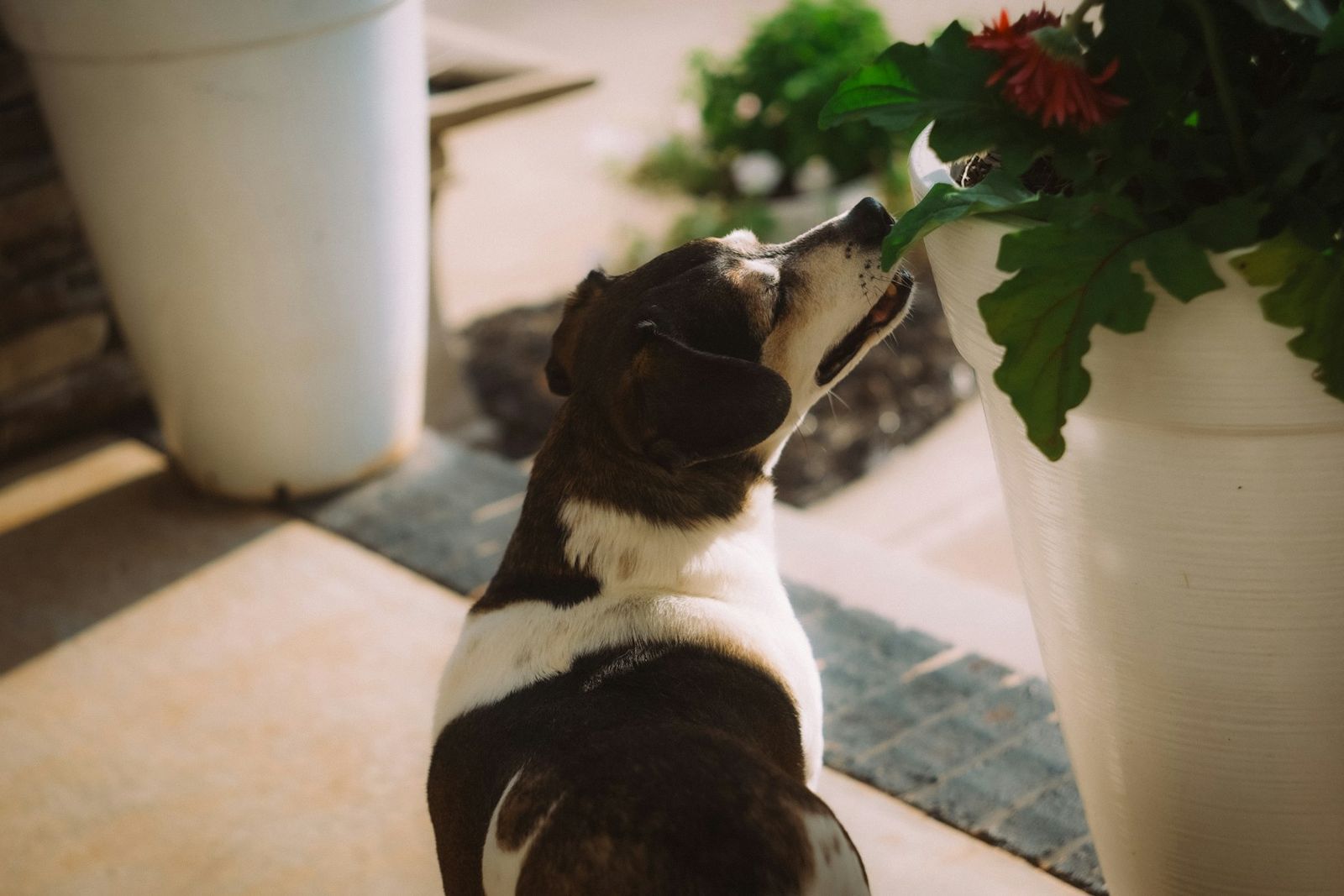
The yard is where your dog sniffs, digs and grazes. A few products and plants cause most of the trouble outdoors.
Lawn treatments
Fertilizers mostly cause stomach upset if a dog eats granules, though some contain iron or insecticides that make them more dangerous. Bags left open are the real risk. Dogs love to tear into them.
Weed killers and insecticides: follow the label, keep your dog off treated grass until it's dry (or longer if the label says so) and wipe paws after walks on lawns you don't know.
Want less to worry about? Spot-treat weeds instead of spraying the whole lawn, mow a little higher, and ask your lawn service for its product list and re-entry times.
The yard's most dangerous items
- Slug and snail bait containing metaldehyde can cause severe tremors and seizures. Choose iron phosphate baits if you must use one, and still keep dogs away.
- Rodent bait in sheds and around the house. Use tamper-resistant stations, or skip bait altogether.
- Cocoa bean mulch contains the same toxin as chocolate and smells sweet to dogs.
- Compost piles grow molds that can cause tremors. Fence them or use a closed bin.
- Wild mushrooms pop up after rain. Some are deadly. Pull them as you see them.
- Sago palm, common in warm-climate yards. Every part is toxic, especially the seeds.
- Antifreeze dripped in the driveway tastes sweet and can cause kidney failure.
Water outdoors
Pools, ponds and lakes come with their own risks: chlorine tablets, drowning and blue-green algae. See outdoor water and algae.
Dog-friendly yard habits
- Keep a bowl of fresh water outside so your dog isn't drinking from puddles.
- Store garden products in a closed shed or high shelf.
- Do a quick walk around the yard after storms for mushrooms and debris.
- Wipe paws after walks with a damp cloth. Paw wipes
If you think your dog has eaten something in the yard, call your vet or a poison line right away, and take a photo of the plant or product.
This guide is general information, not veterinary advice. If your dog is sick, hurt or acting unusually, call your veterinarian.