Does Your Dog Need Filtered Water?
When tap water is fine, when a filter is worth it, and which kind actually removes what you're worried about.
This guide contains affiliate links. If you buy through them we may earn a small commission at no cost to you. Details.
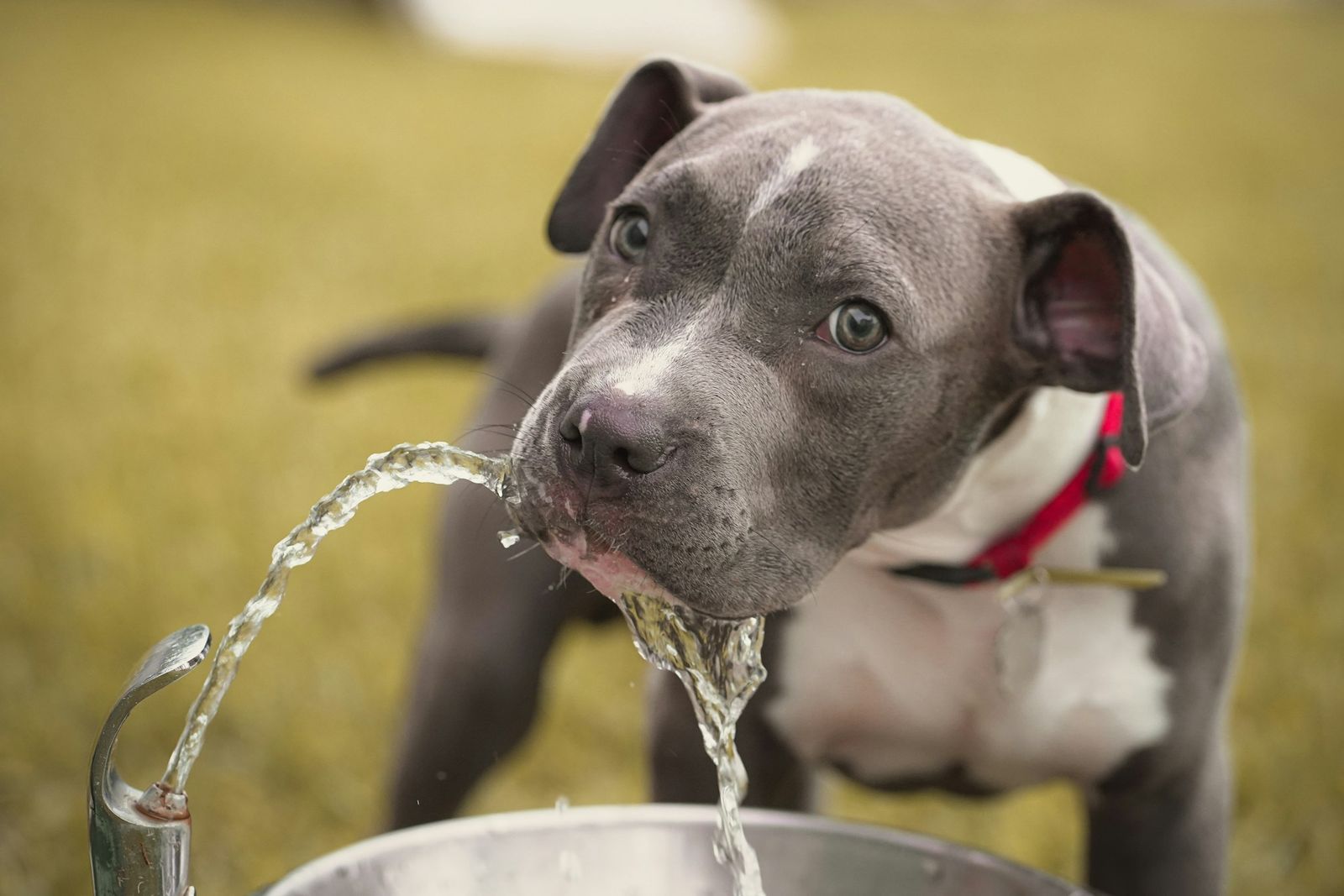
Dogs drink a lot of water for their size, every single day, for their whole life. So it's worth knowing what's in it. The simple rule: if your tap water is safe for you to drink, it's generally safe for your dog. If you wouldn't drink it, don't give it to them.
Start by finding out what's in your water
- City water: your utility publishes an annual Consumer Confidence Report. Search your utility's name plus "water quality report." It lists what was found and whether any limits were exceeded.
- Private well: nobody tests it for you. Test at least once a year for bacteria and nitrates, and every few years for lead, arsenic and other local concerns. Your county health department can point you to a lab.
- Older home? Pipes and fixtures can add lead even when the city water is clean. Many utilities offer free or cheap lead testing.
When a filter makes sense
A filter is worth it if your report or test shows lead, PFAS ("forever chemicals"), nitrates or other contaminants above health guidelines, if you have older plumbing, or if you simply want to cut down on chlorine and other byproducts for the whole household.
Which filter removes what
Look for certification to an NSF/ANSI standard, not just marketing claims. The certification says exactly which contaminants a filter has been tested to reduce.
| Filter type | Good for | Certifications to look for |
|---|---|---|
| Pitcher or dispenser | Chlorine taste; some models certified for lead and PFAS | NSF/ANSI 42, 53, 401 |
| Faucet-mount | Lead, chlorine, some chemicals | NSF/ANSI 42, 53 |
| Under-sink carbon | Bigger capacity, lead, chemicals | NSF/ANSI 42, 53, 401 |
| Reverse osmosis | Widest removal, including nitrates, arsenic, PFAS | NSF/ANSI 58 |
Change cartridges on schedule. An old filter can stop working, and a neglected one can grow bacteria.
Compare certified filter pitchers · Faucet filters · Under-sink systems
What about distilled, alkaline or bottled water?
- Distilled water isn't necessary, and it lacks the minerals in normal drinking water. Don't make it your dog's only water without asking your vet.
- Alkaline or "structured" water has no proven benefit for dogs.
- Bottled water is fine but no safer than good tap water, and much more expensive.
Don't forget the bowl
Even perfect water picks up bacteria in a slimy bowl within a day or two. See keeping bowls and fountains clean.
This guide is general information, not veterinary advice. If your dog is sick, hurt or acting unusually, call your veterinarian.